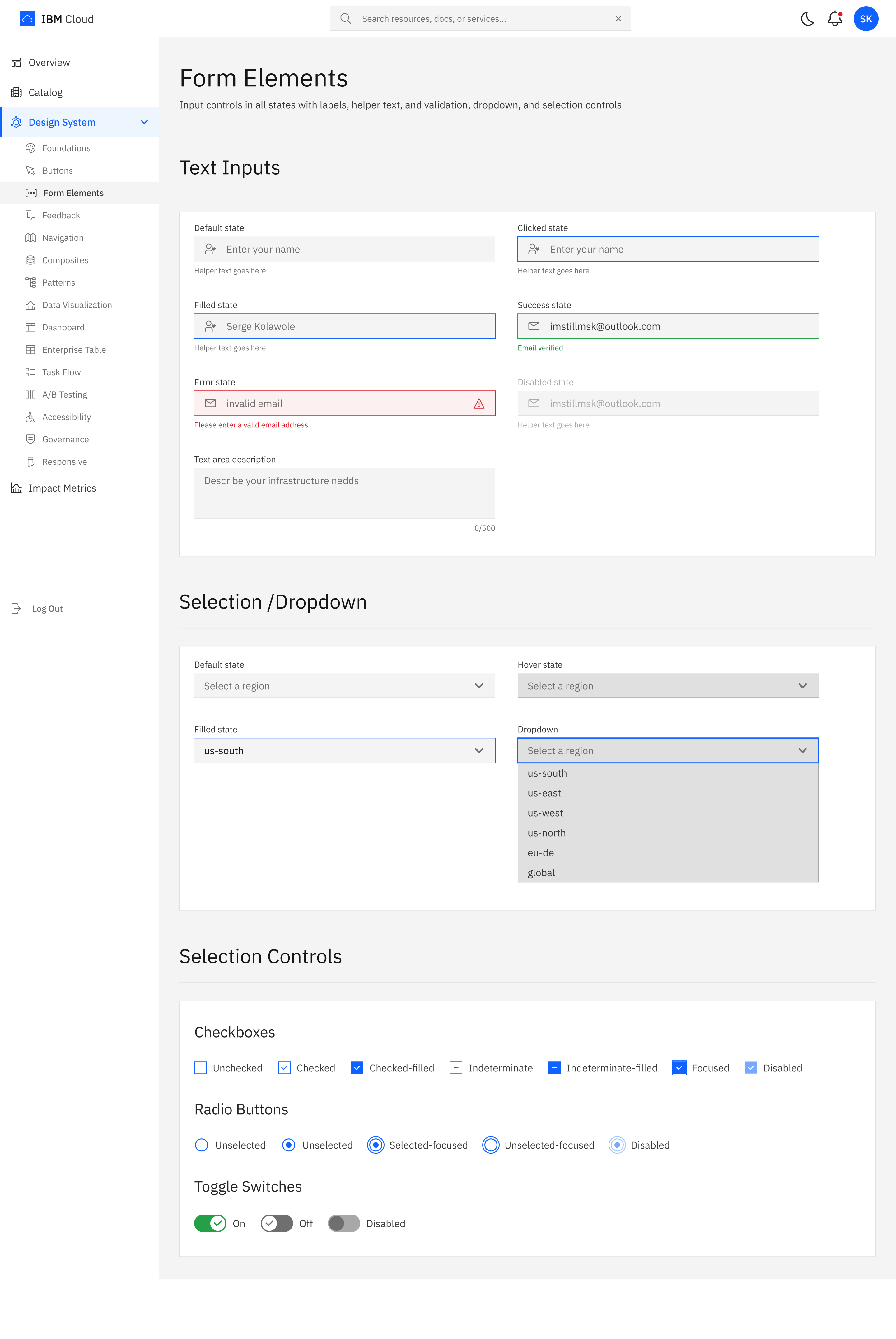
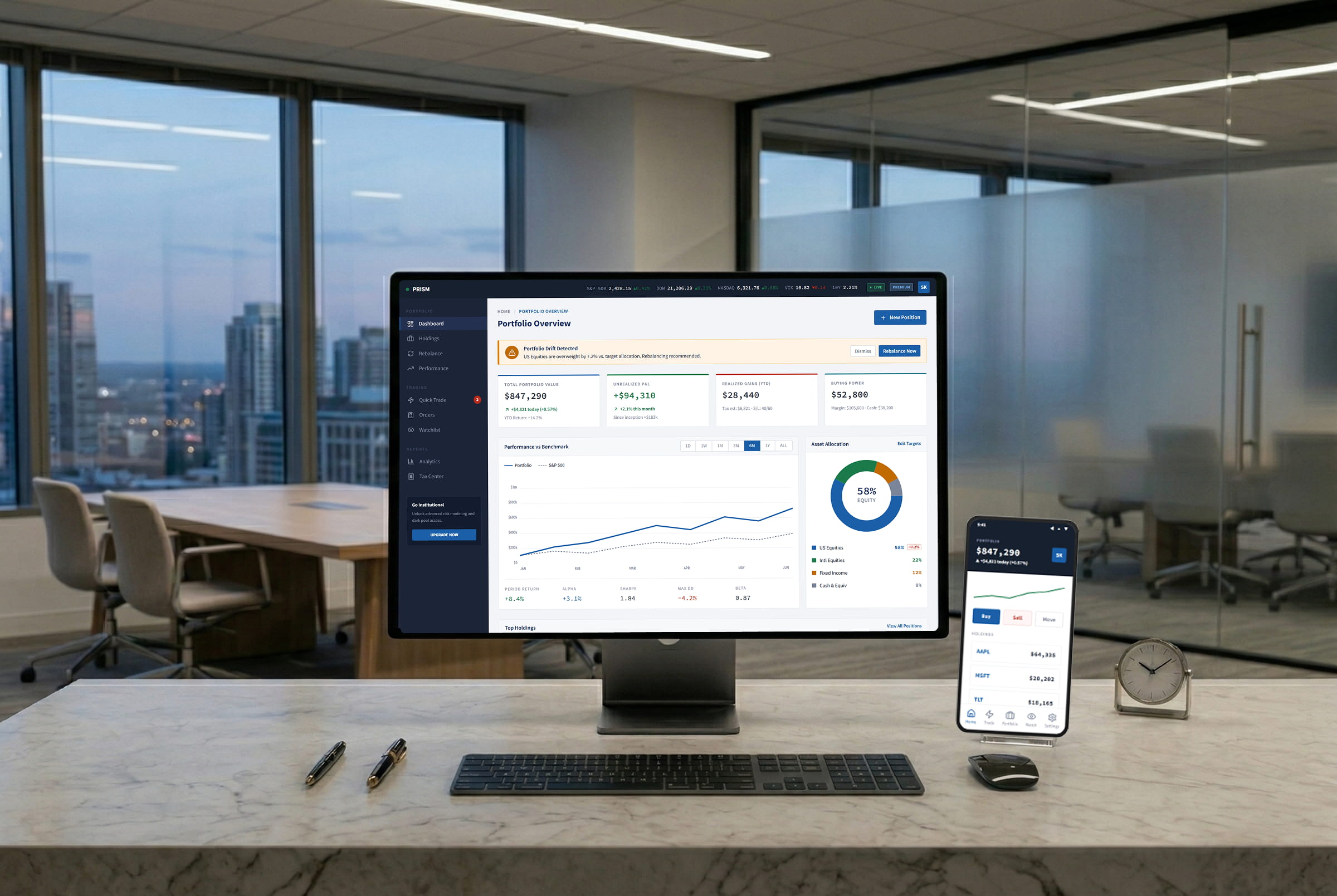
Scaling Cloud Infrastructure Management for 50,000+ Enterprise Users
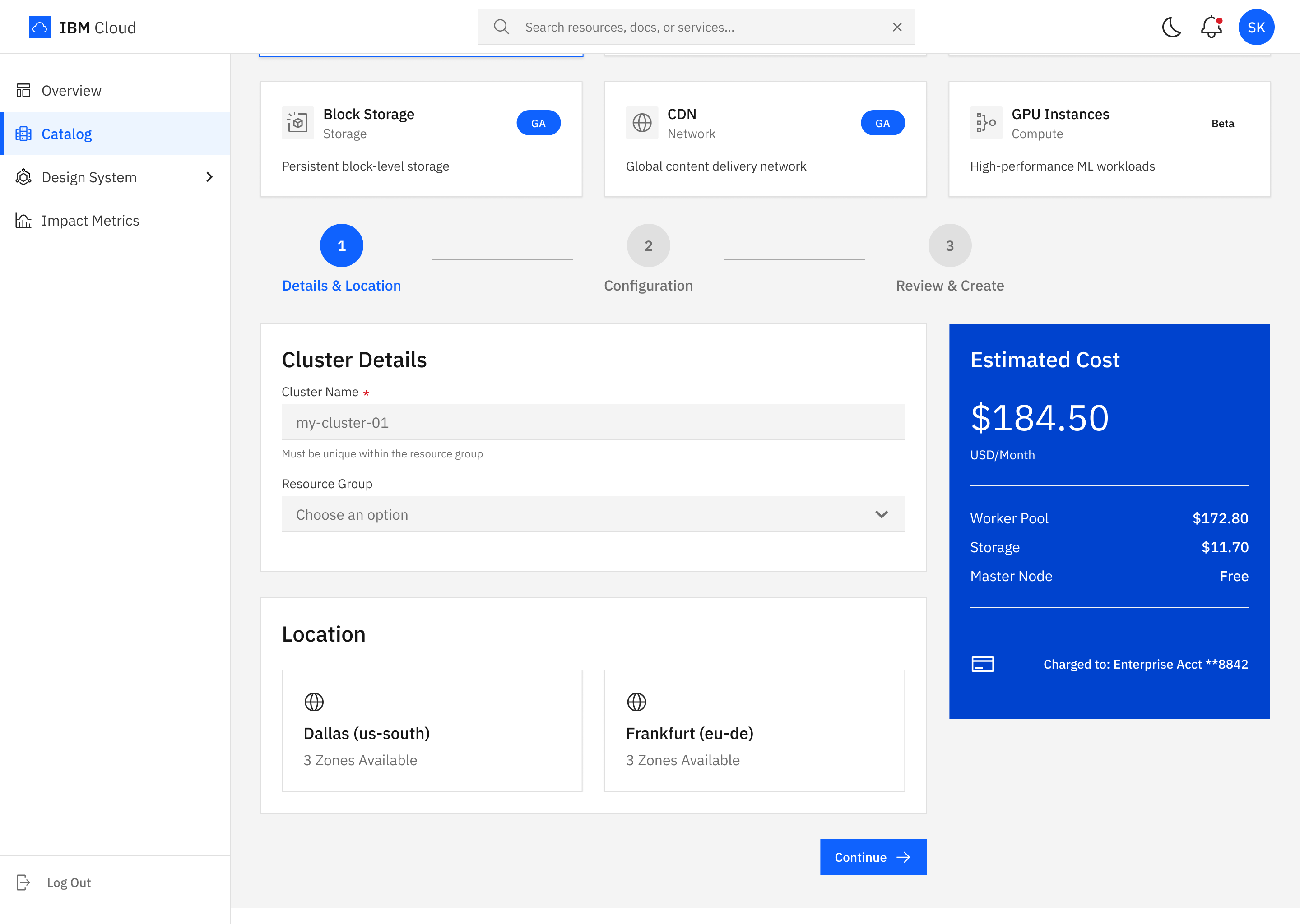
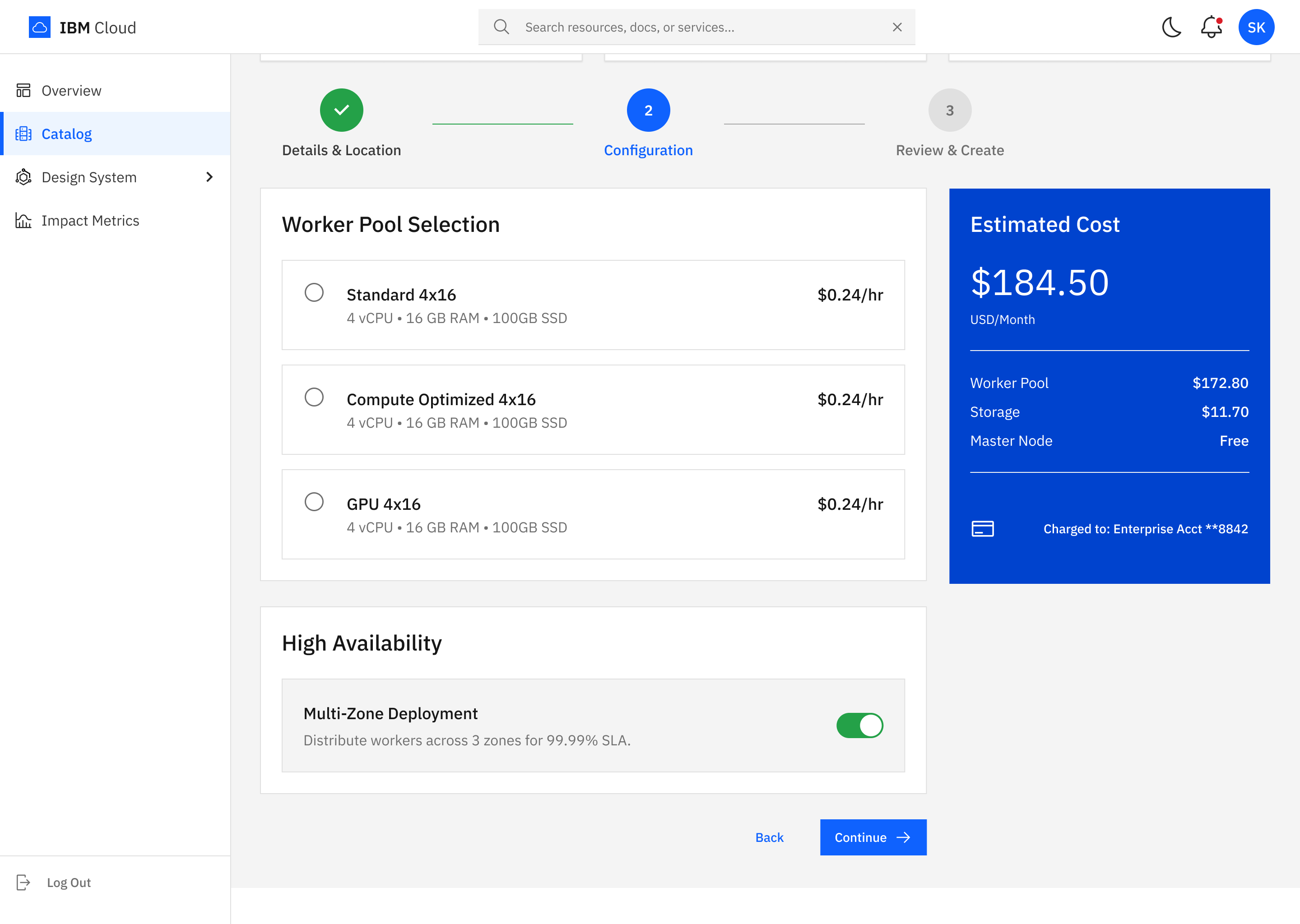
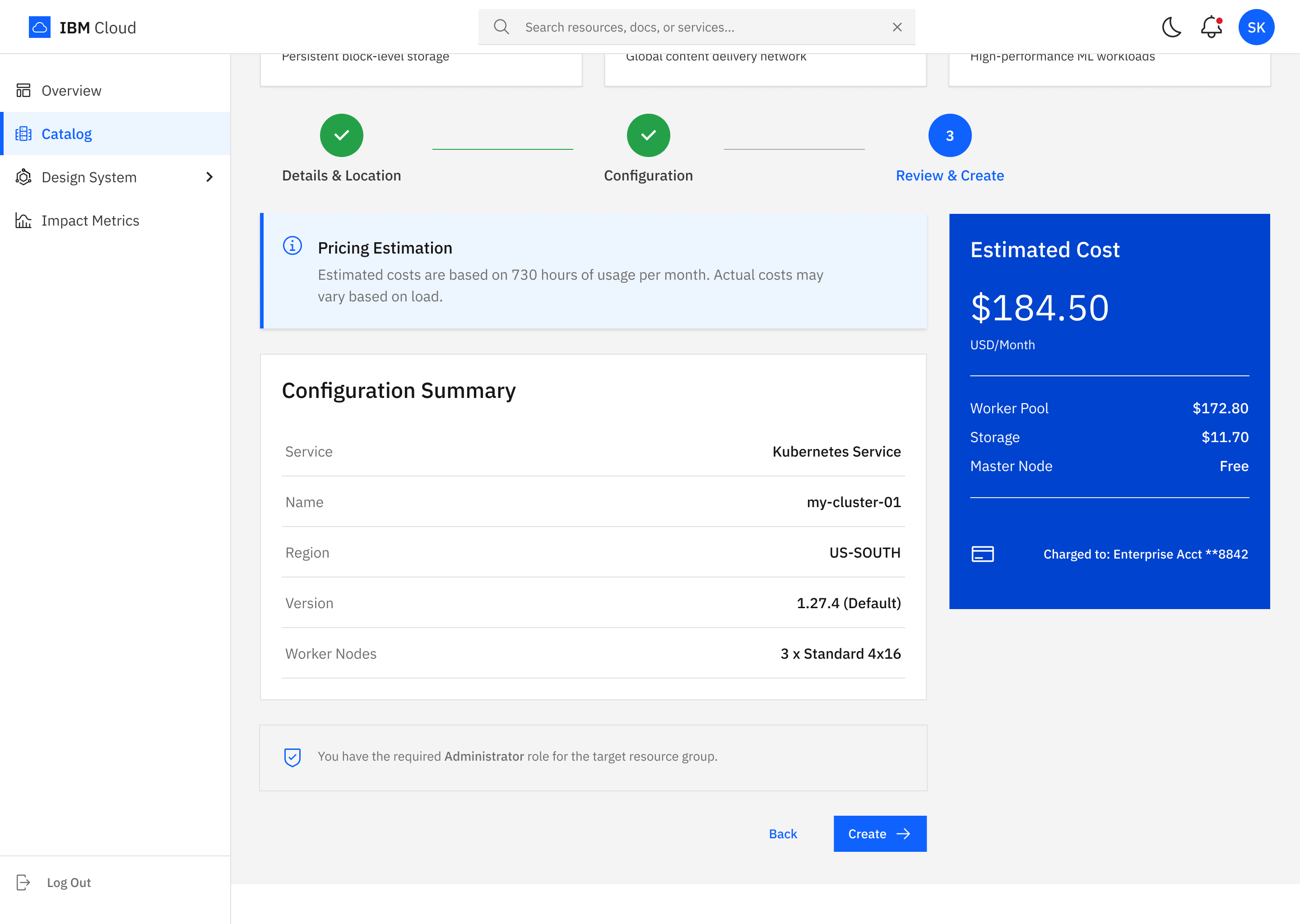
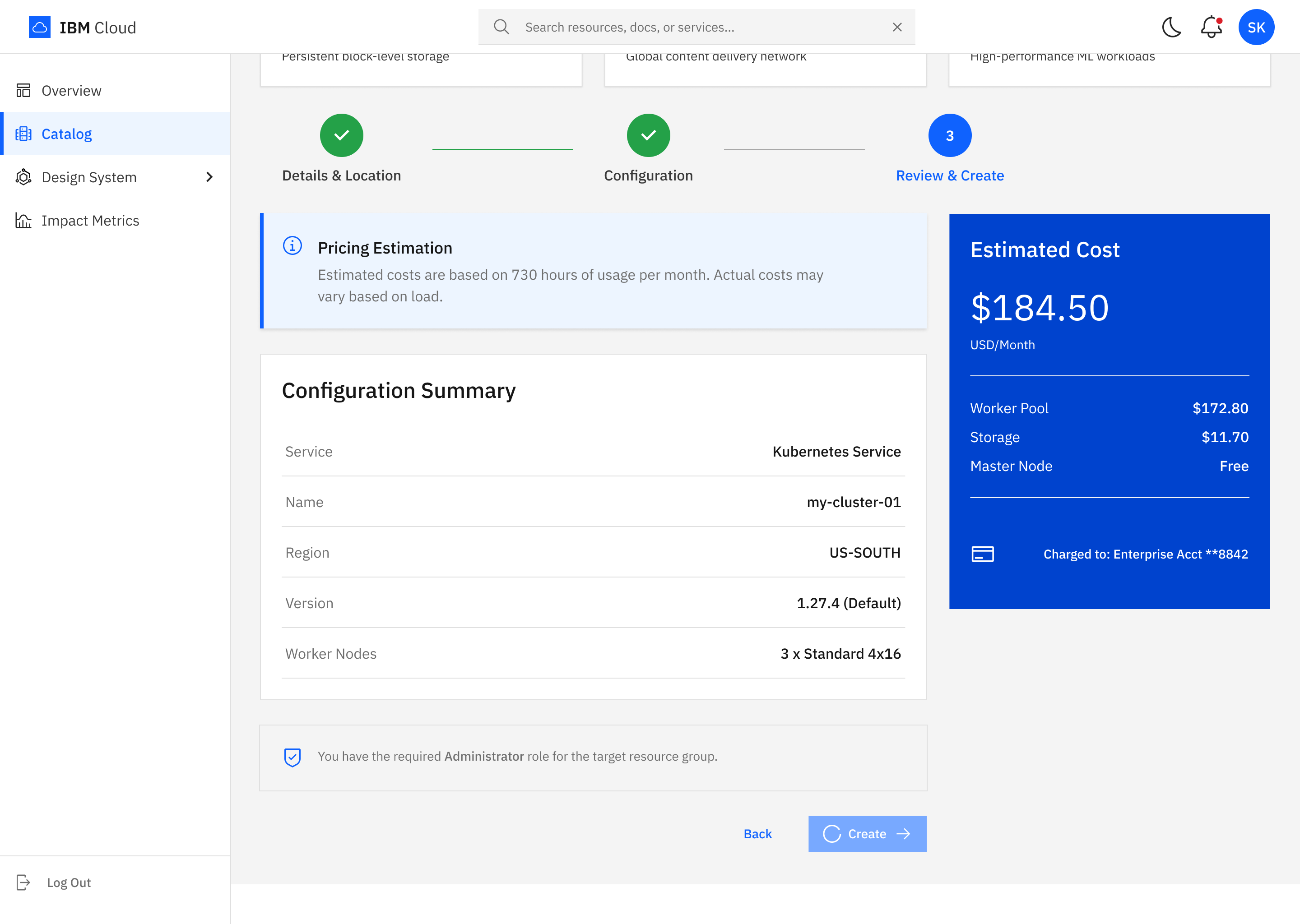
In 2020, IBM Cloud was facing a critical user experience crisis across its enterprise cloud platform. Eight product teams—Watson Analytics, Kubernetes Service, Virtual Private Cloud (VPC), Security & Compliance Center, Cloud Databases, AI/ML Platform, Storage Services, and Cloud Console Infrastructure—were independently building interfaces for managing mission-critical cloud infrastructure. Each team operated in isolation, creating their own components, navigation patterns, and interaction models.
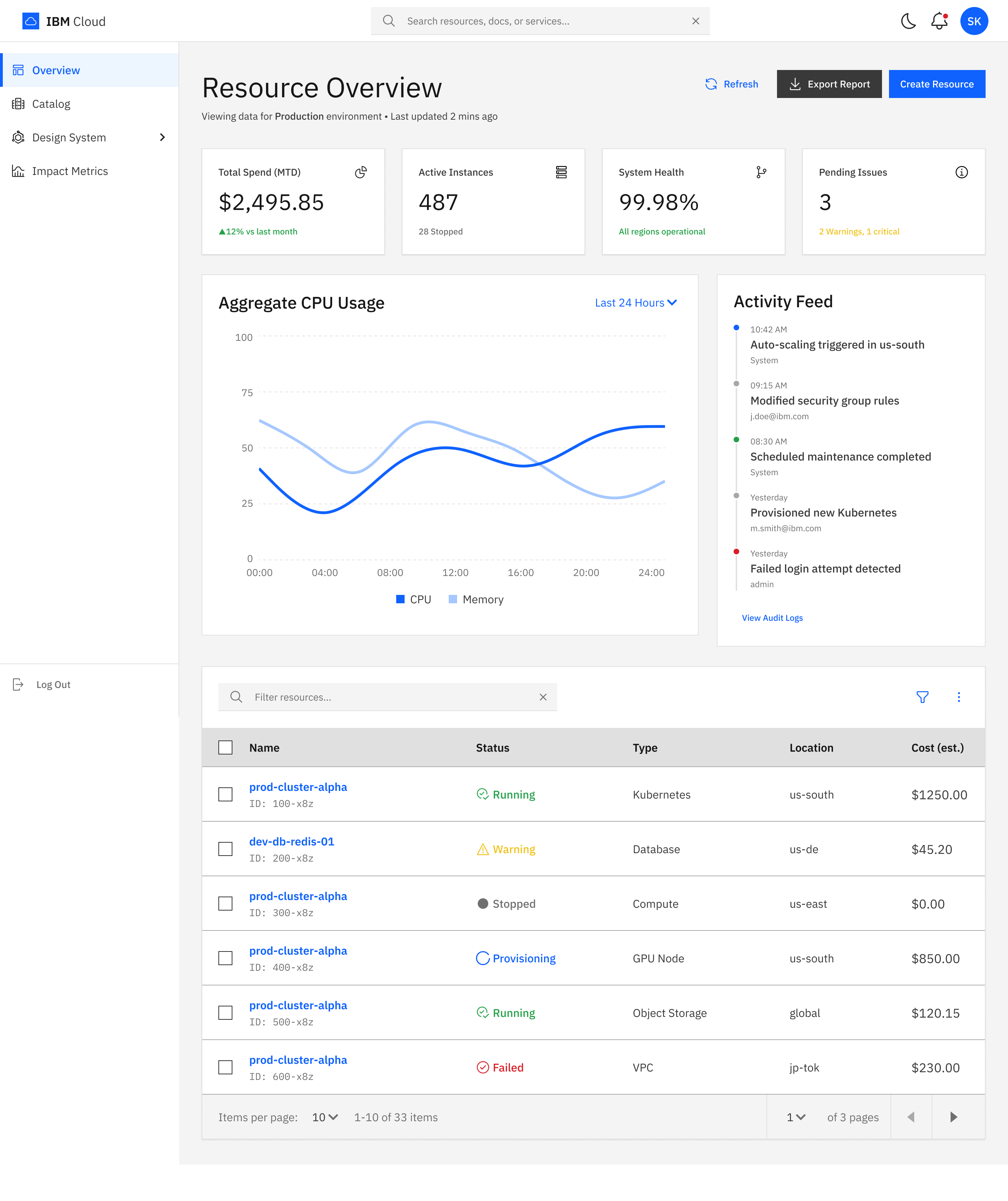
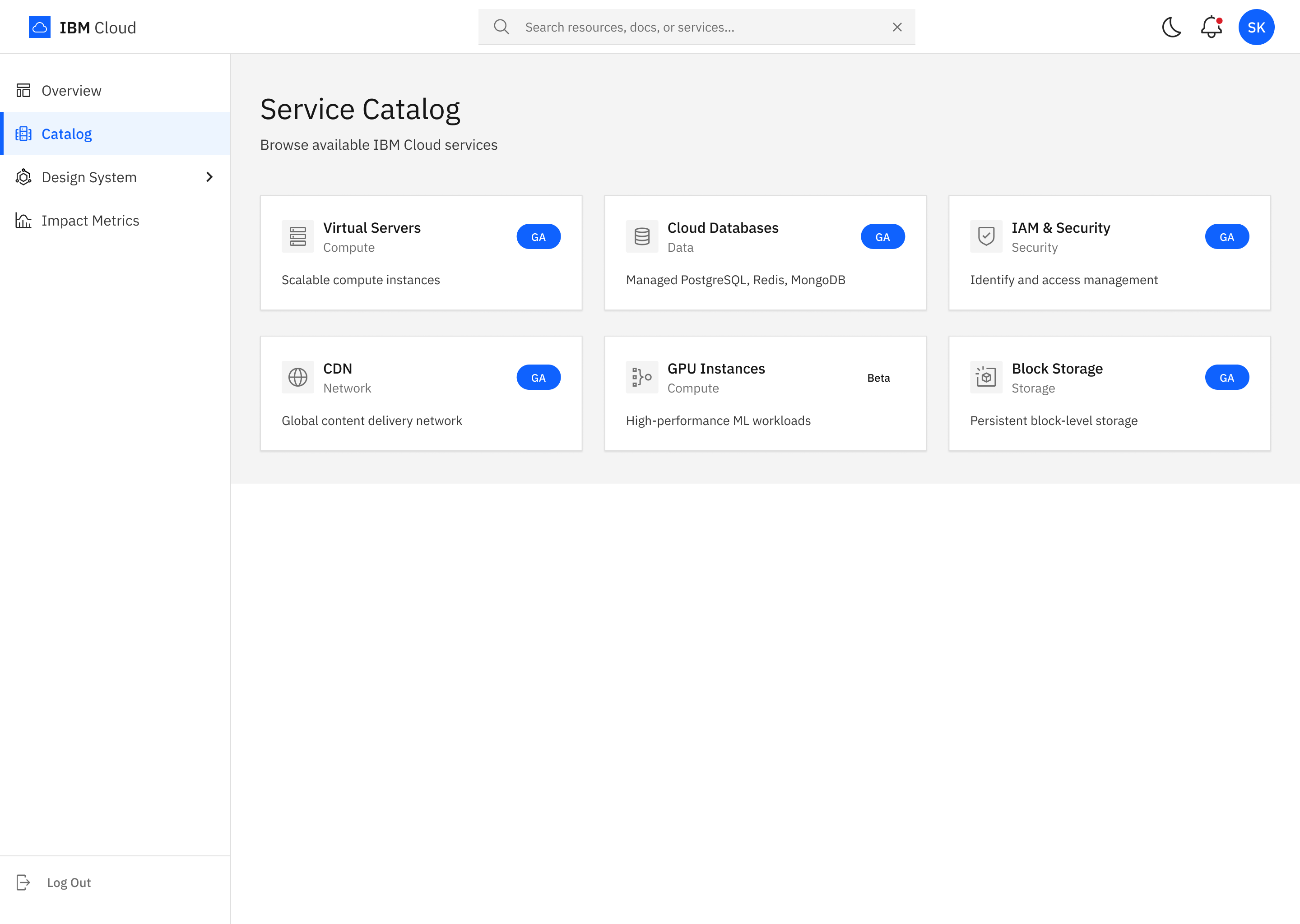
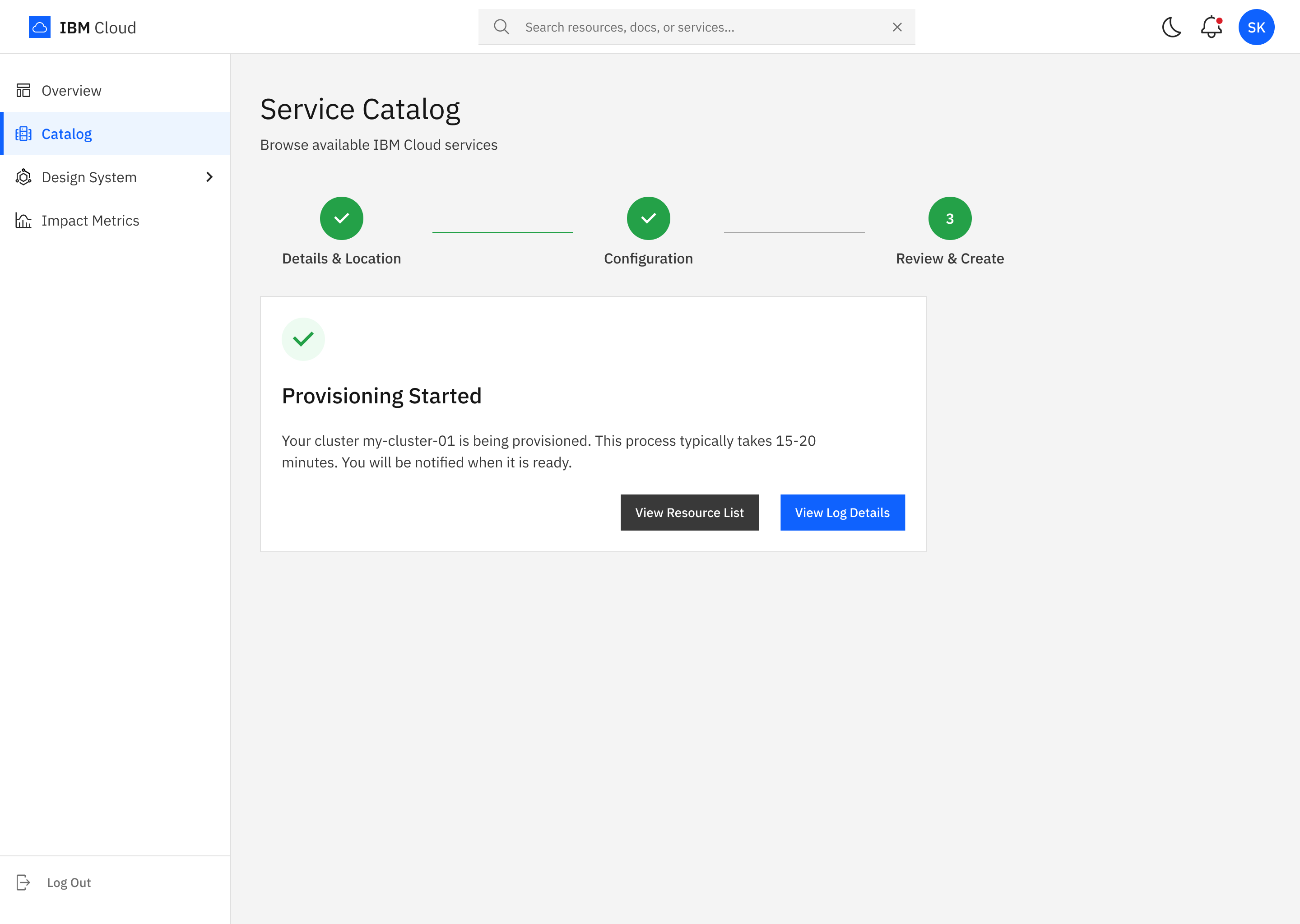
The fragmentation had reached a breaking point. Enterprise customers managing complex multi-cloud deployments across hundreds of virtual machines, databases, and AI workloads reported frustration with inconsistent interfaces. A DevOps engineer provisioning Kubernetes clusters would encounter completely different navigation patterns than when configuring VPC networks, despite both being core IBM Cloud services.
The lack of a unified design language meant professionals managing mission-critical infrastructure were spending mental energy relearning interfaces rather than focusing on their actual work.
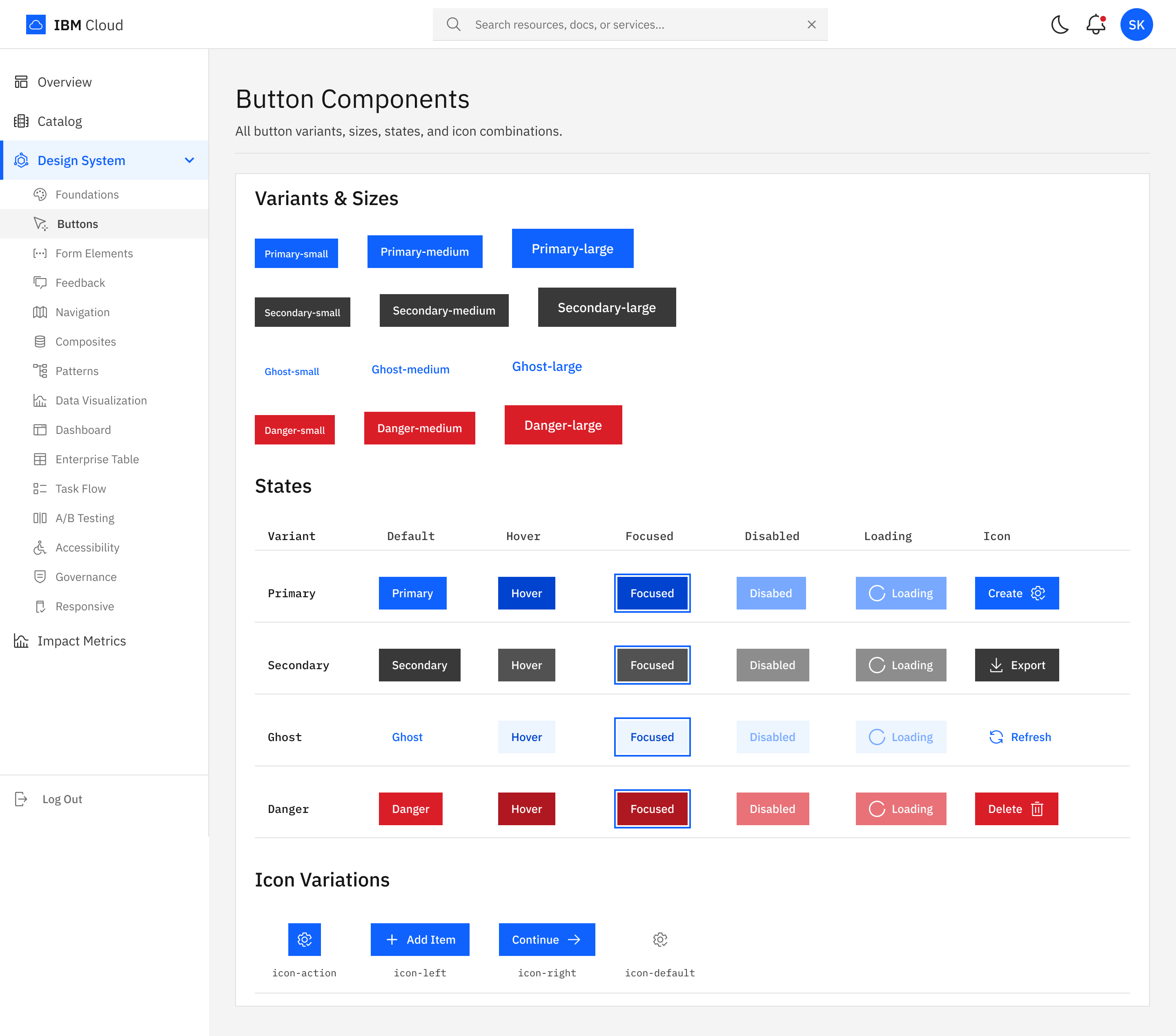
From a business perspective, the duplication was unsustainable. With 45 designers and 120+ engineers across product teams, IBM was effectively building the same buttons, forms, and data tables eight different times. Each team was solving identical problems—how to display resource status, how to handle confirmation dialogs, how to structure multi-step provisioning flows—without sharing solutions.
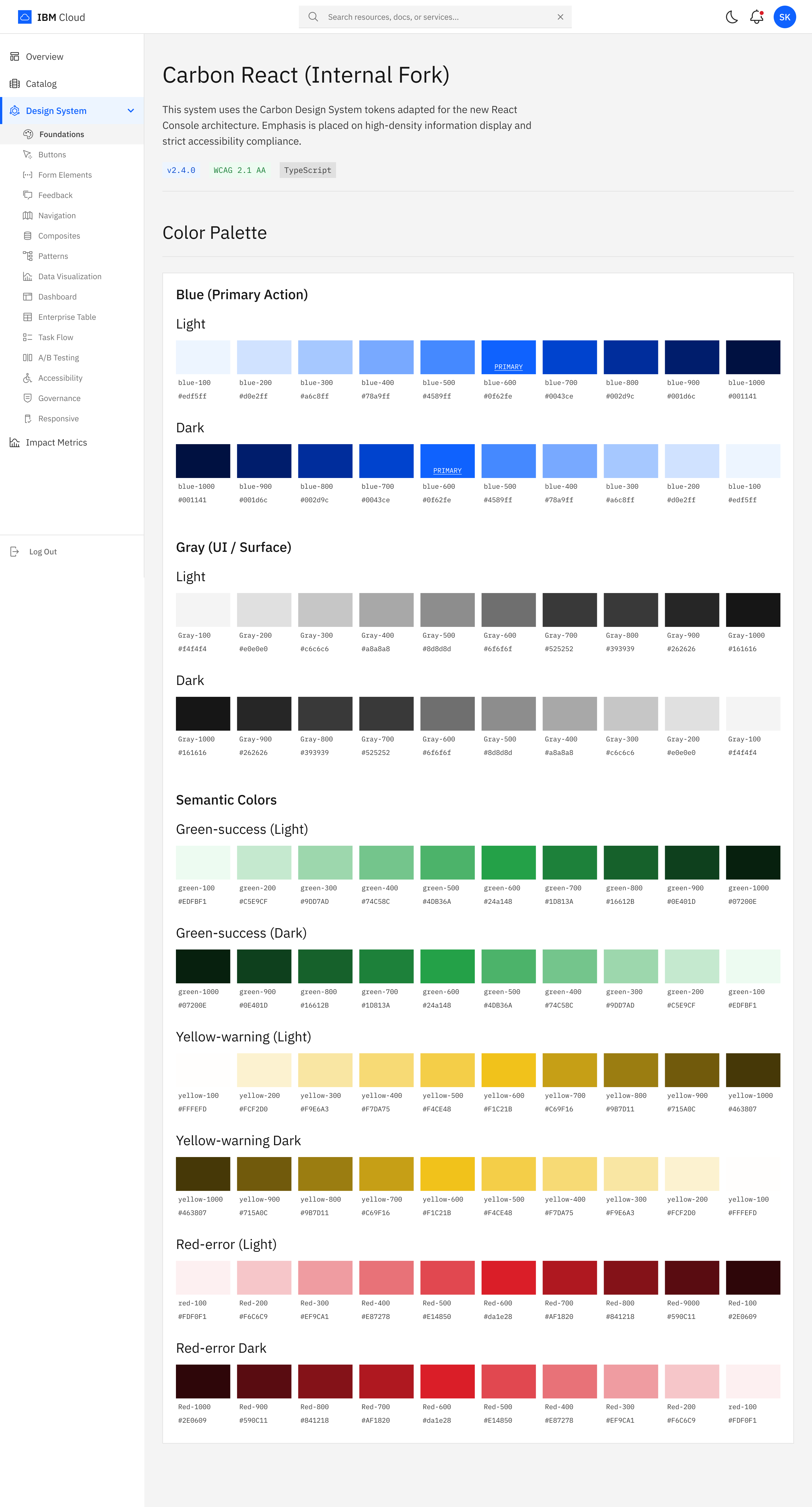
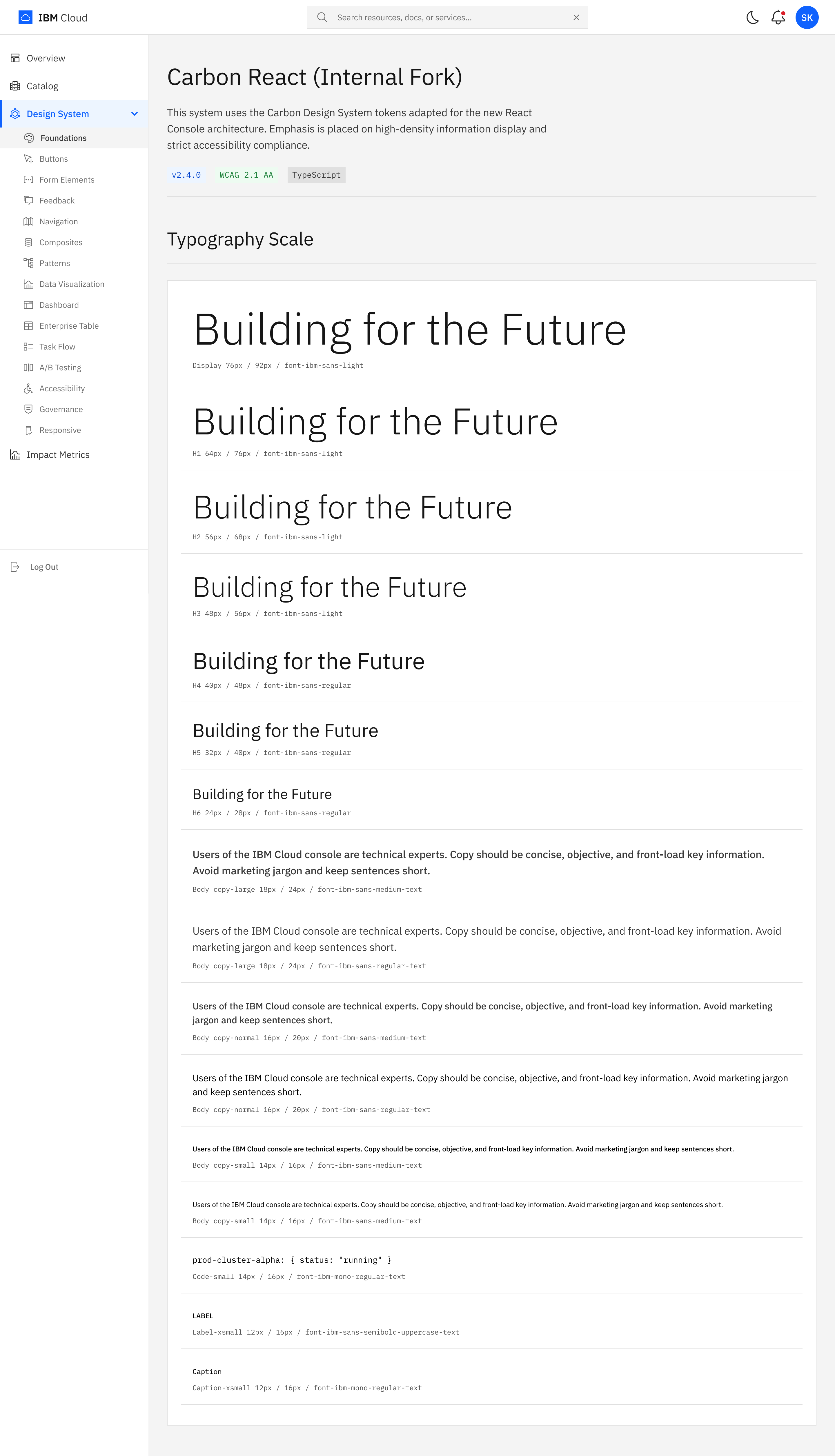
Product leadership recognized that inconsistent UI was creating technical debt and user friction. They greenlit a comprehensive design system initiative with clear success metrics: reduce design-to-dev time, achieve WCAG 2.1 AA compliance, and improve user satisfaction.
Unifying Eight Product Teams Without Sacrificing Velocity in High-Stakes Environments
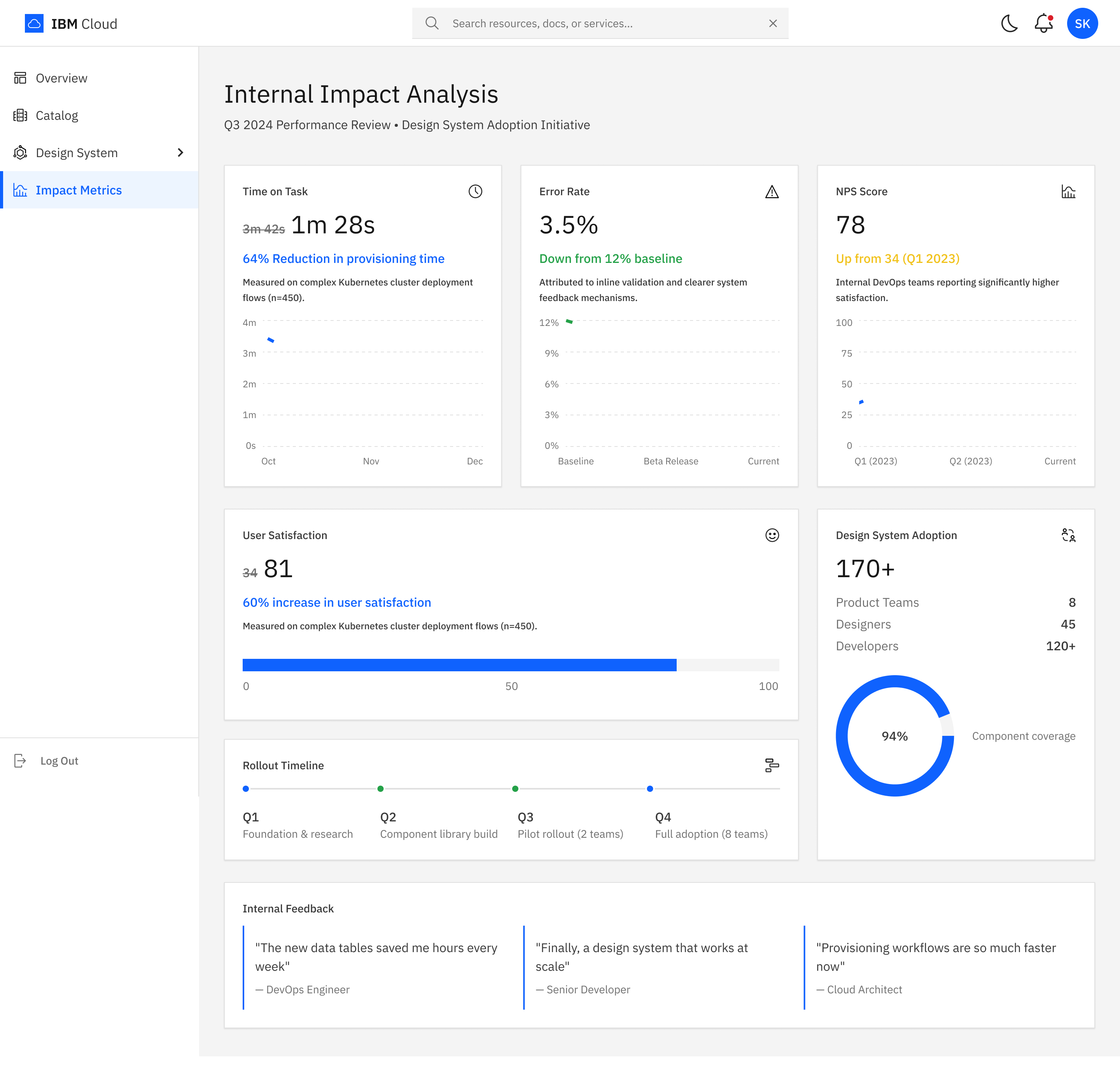
The challenge extended far beyond creating a component library. User research revealed alarming metrics that quantified the severity of the problem. The Net Promoter Score for IBM Cloud Console sat at 34—significantly below industry benchmarks for enterprise cloud platforms. Task completion times were 2-3 times longer than competitive platforms, with users reporting that inconsistent interfaces forced them to constantly reorient themselves. The average design-to-development cycle for new features took 8 days, as engineers rebuilt basic interface components for each implementation.
However, the deeper challenge wasn’t technical—it was organizational. Eight product teams had developed their own workflows, release schedules, and design philosophies. Watson Analytics prioritized data visualization complexity, while Kubernetes Service focused on infrastructure density. Imposing a rigid top-down design system would have disrupted established team velocities and potentially stifled innovation in specialized domains.
Constraints
The design system needed to accomplish three seemingly contradictory goals simultaneously:
- Establish consistency without sacrificing team autonomy,
- Accelerate development without reducing quality, and
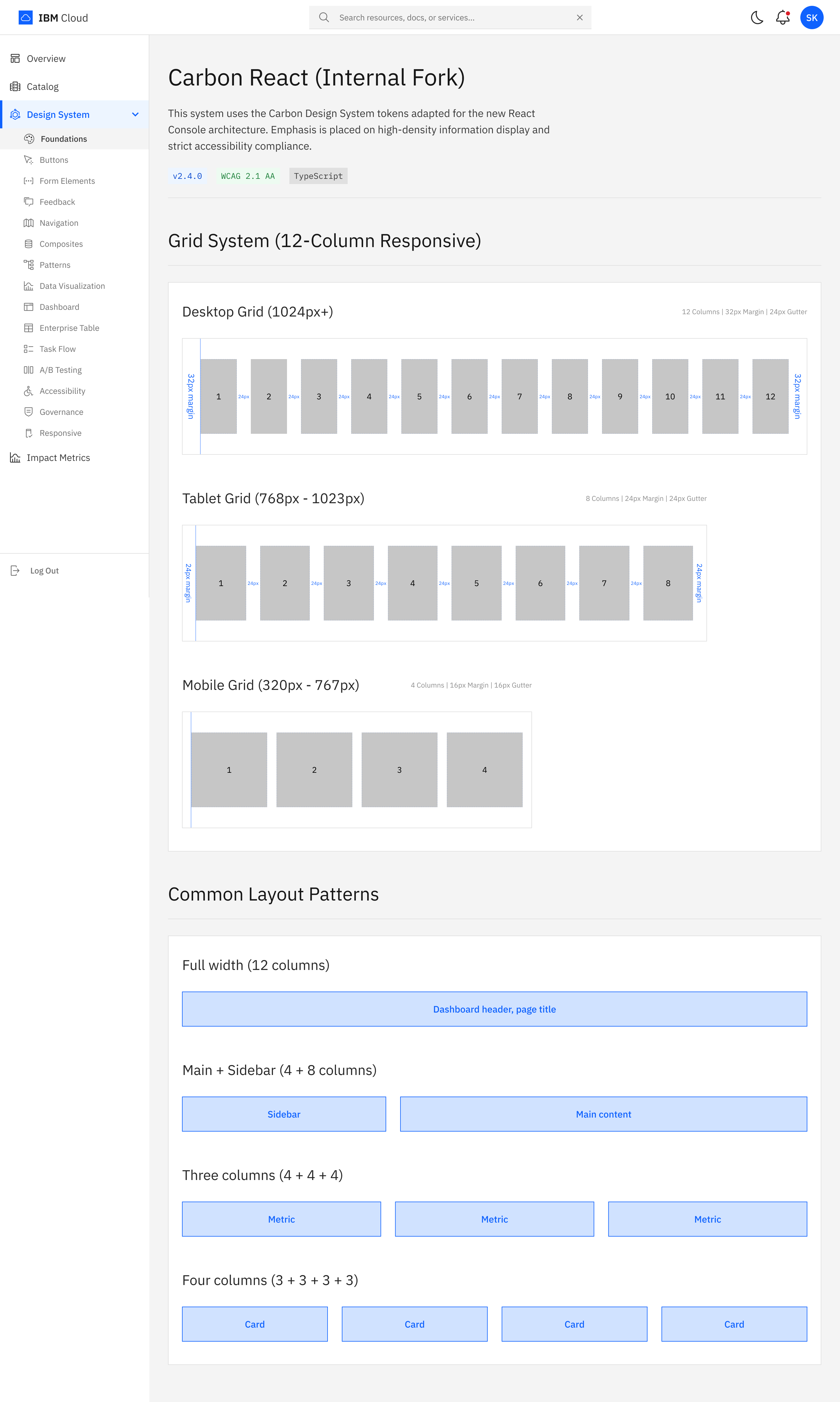
- Create a system flexible enough for diverse product needs while maintaining recognizable IBM Cloud identity.
DevOps engineers use this platform during critical incidents where downtime costs clients thousands per minute. The interface needed to support rapid decision-making under stress, not introduce cognitive load.
Transforming Enterprise Cloud Management
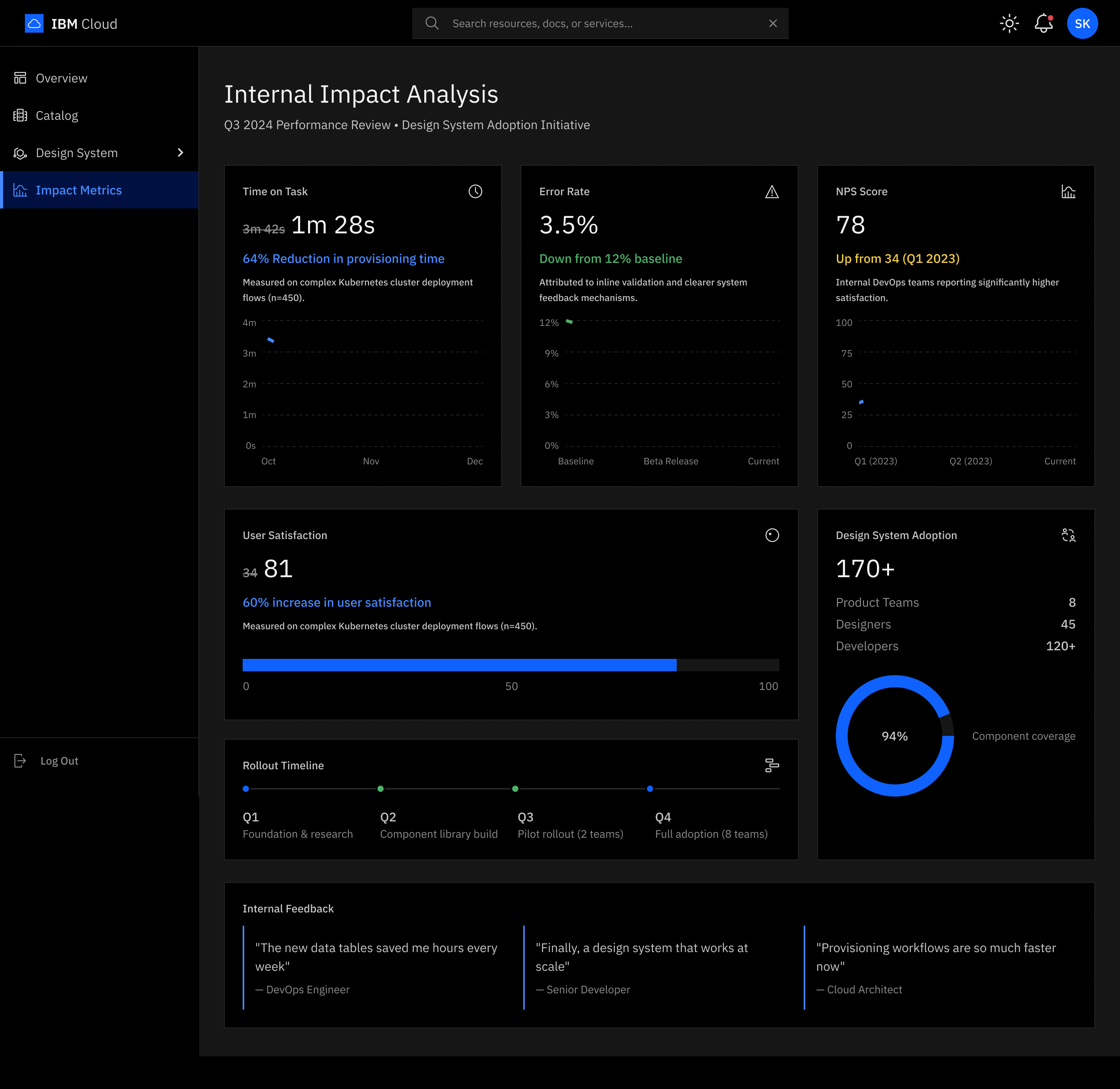
The metrics told a compelling story of transformation.
- Task completion times dropped by 62%, directly translating to reduced operational overhead for enterprises managing complex infrastructure.
- The Net Promoter Score (NPS) surged from 34 to 81 — a 138% improvement that positioned IBM Cloud Console among top-tier enterprise platforms.
From a business efficiency perspective, the design system achieved
- 94% adoption across eight product teams, with 188 of 200 components actively used in production.
- Design-to-development time decreased 40%, from 8 days to 4.8 days per feature, representing significant cost savings across the organization.
- Component reuse reached 93%, and design consistency scores measured at 96% across products—evidence that the system successfully unified previously fragmented experiences.
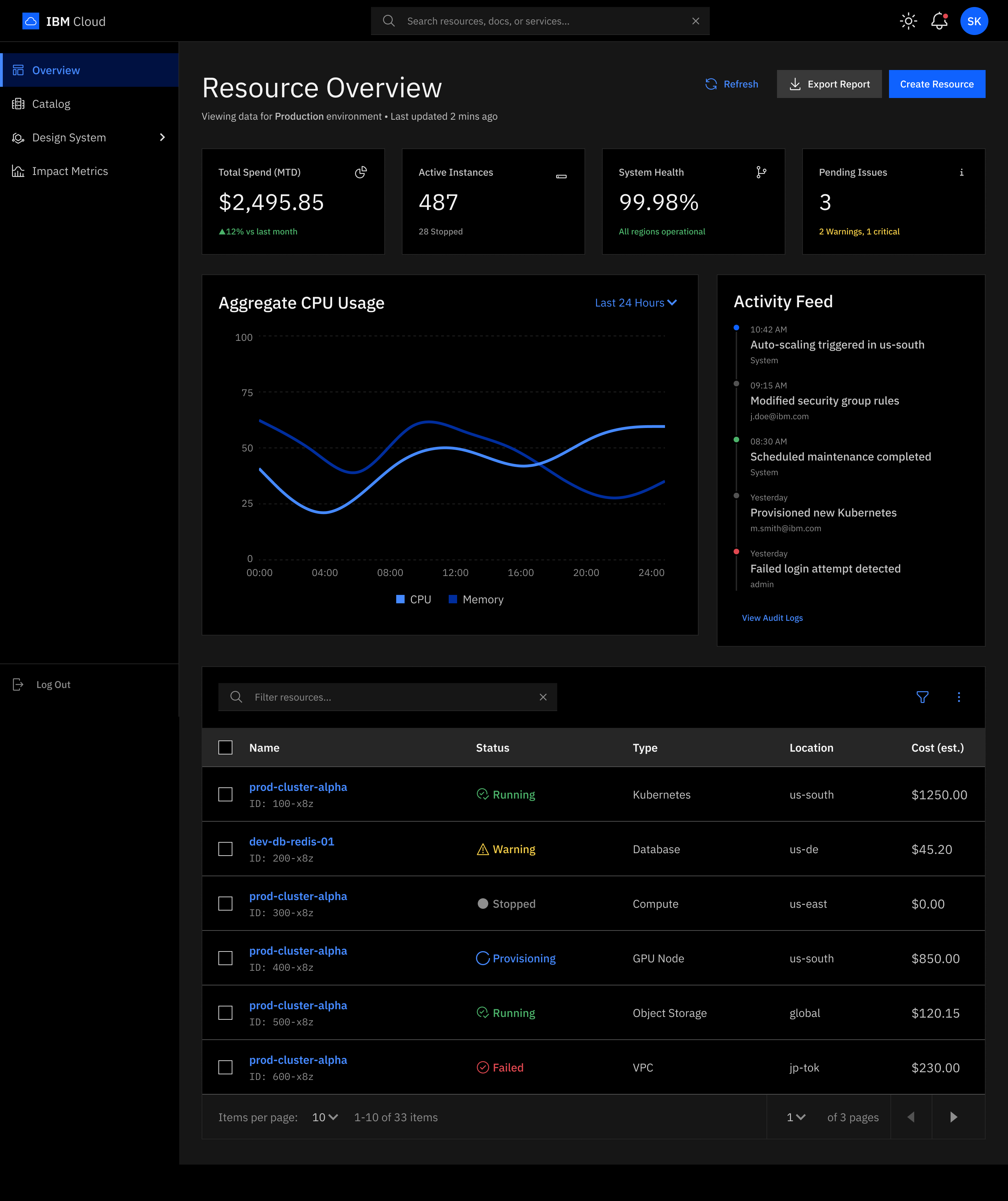
The accessibility achievements extended impact beyond metrics. By achieving 100% WCAG 2.1 Level AA compliance with comprehensive keyboard navigation, screen reader support, and proper focus management, IBM Cloud Console became genuinely usable for professionals with disabilities—expanding the platform’s addressable market while fulfilling IBM’s commitment to inclusive design.
Lessons in Scaling Design Systems
Three critical lessons emerged from this initiative.
- First, governance models must balance control with flexibility. The five-stage contribution process maintained quality standards without creating bottlenecks—teams could contribute innovations while the system preserved consistency.
- Second, accessibility cannot be retrofitted; building WCAG compliance into every component from inception proved far more effective than auditing afterward.
- Third, adoption requires demonstrating value, not mandating usage. Teams embraced the design system because it solved real problems and accelerated their work—not because leadership mandated it.
The IBM Cloud Console Design System continues evolving as the foundation for enterprise cloud infrastructure management, proving that thoughtful systems design can transform both user experience and organizational efficiency at scale.